How Harmony Laser Works A 2026 Scientific Overview

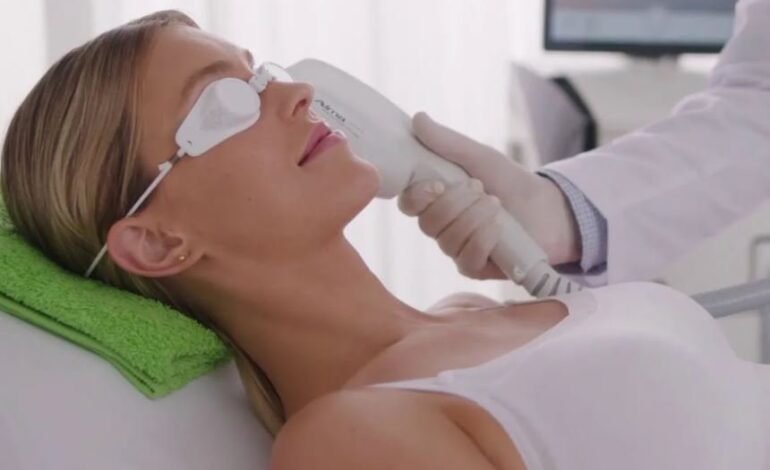
In the world of cosmetic dermatology and aesthetic treatments, harmony laser technology stands out as one of the most versatile and advanced systems available in 2026. This state‑of‑the‑art platform packs multiple laser and light technologies into one integrated solution, allowing practitioners to treat a wide array of skin concerns all without invasive surgery or long recovery times. From reducing wrinkles and pigmentation to tightening skin and minimizing scars, this laser system works scientifically to stimulate the body’s own healing processes.
This article explores the science behind how this powerful tool functions, what technologies it combines, how it affects different tissues, and why it remains a top choice for clinics and patients alike in 2026.
1:What Makes Harmony Laser Special?
Unlike single‑purpose lasers, this system is a multi‑application aesthetic platform. It integrates multiple wavelengths, light sources, and energy types, enabling customized treatments for different skin conditions. Whether it’s intensity‑modulated pulsed light or non‑ablative laser energy that penetrates deep into the skin, the system delivers precise results tailored to each patient’s needs.
2:How a Single Device Handles Multiple Procedures
This flexibility is key: instead of separate machines for skin resurfacing, tattoo removal, and vascular lesion treatment, one platform can address them all. Multiple handpieces and configurable settings mean practitioners can adjust depth and energy depending on treatment goals and skin type.
3:How Modern Laser and Light Treatments Work
1. Laser and Light Types Combined
One of the core strengths of the device is its ability to combine several energy modalities in one session. These include:
- Non‑ablative lasers: These penetrate the skin without removing the top layer. The energy heats deeper dermal layers, stimulating collagen production and skin remodeling.
- IPL (Intense Pulsed Light): A broad‑spectrum light that targets pigmented lesions and vascular conditions by selectively heating chromophores like melanin and hemoglobin.
- Fractional lasers: These create controlled micro‑injuries in a grid pattern, prompting the body to initiate natural healing and tissue renewal.
- Q‑Switch lasers: Deliver very short, high‑energy pulses that fragment pigment or tattoo ink without damaging surrounding tissue.
You Should Know:Together, these technologies allow clinicians to choose the most effective approach for each skin concern whether targeting pigmentation, scars, or texture issues with minimal downtime.
4:Body’s Natural Response to Laser Therapy
Collagen Stimulation and Remodeling
When non‑ablative energy reaches the dermis, it triggers a mild injury response. The body responds by producing collagen and elastin, the proteins responsible for skin strength and elasticity. Over repeated sessions, this results in tighter, firmer skin and a reduction in fine lines and wrinkles.This process works unnoticed by most patients — the epidermis remains intact while deeper tissues undergo renewal. Because new collagen forms gradually, visible improvements appear over weeks or months after treatment.
Pigment and Vascular Targeting
For issues like age spots, melasma, or broken capillaries, targeted wavelengths excel at being absorbed by specific chromophores: melanin for pigment, hemoglobin for vascular lesions. The absorbed energy heats those structures, breaking them down so the body’s immune system can eliminate them naturally.This selective photothermolysis — where light energy specifically destroys target cells without widespread tissue damage — is a foundational principle behind effective laser therapy.
Tattoo Pigment Breakdown
With specialized Q‑Switch handpieces, laser pulses deliver intense bursts of energy that fragment tattoo ink into microparticles. The body then carries away these particles via the lymphatic system over subsequent weeks, gradually fading the tattoo.
5:2026 Technology Enhancements for Better Skin Outcomes
In 2025, the Harmony platform introduced an advanced treatment known as Harmony Bio‑Boost, which has continued to gain traction into 2026. This protocol uses personalized bio‑stimulation to amplify natural healing responses, enhancing collagen and elastin production for smoother and more radiant skin with minimal downtime.
2026 systems also include improved user interfaces and automated presets, making treatments more consistent and easier for clinicians to perform safely and effectively. These advancements contribute to better patient experiences and outcomes across a wide range of aesthetic needs.
6:Typical Procedures and What Patients Experience
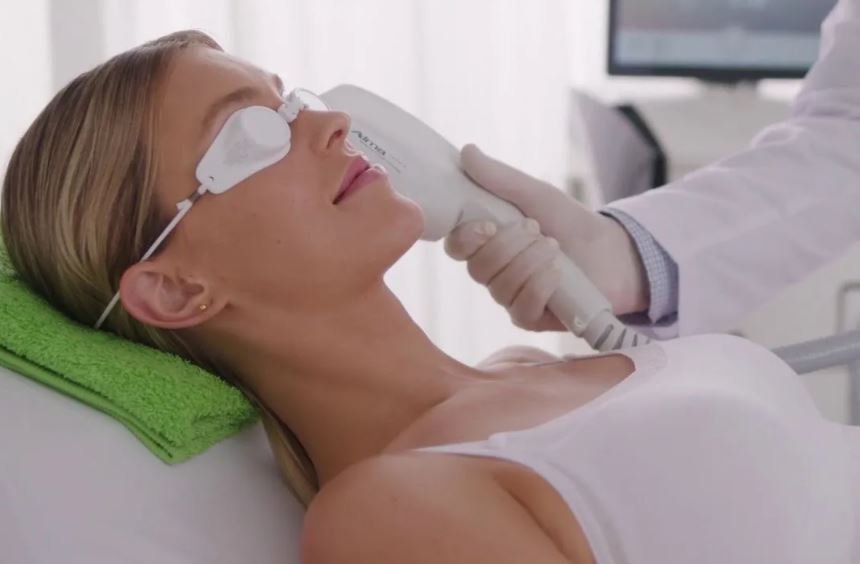
Treatments with this system are carried out in clinics and med spas by trained professionals. Each session usually lasts between 15–60 minutes, depending on the area being treated and the technology chosen. Many patients report feeling mild warmth or light snaps of energy, but the procedures are generally described as comfortable with minimal pain.
7:Efficient Procedures for Busy Schedules
Because the system targets tissue beneath the surface, it avoids extensive irritation of the outer skin layer. As a result, most individuals can return to regular daily activities immediately after their session. Multiple sessions spaced weeks apart are typically recommended for optimal and lasting results.
8:Protecting Your Skin with Smart Customization
Clinical use of this technology emphasizes safety. Practitioners adjust energy, wavelength, and pulse duration based on individual factors such as skin type, concern being treated, and sensitivity. This helps avoid adverse effects like burns or unwanted pigmentation changes.Modern systems also include contact cooling or integrated cooling mechanisms to protect the superficial skin during treatment, making the experience more comfortable and safe even for sensitive areas.
9:How Professionals Are Using It in 2026
This laser platform continues to be used for a broad spectrum of aesthetic and dermatological needs, including:
- Skin rejuvenation and tightening
- Pigmented lesion and age spot treatment
- Acne and scar improvement
- Tattoo removal
- Hair reduction and smoothing
- Vascular lesion correction (e.g., broken capillaries)
You Should Know: Its adaptability and modular design make it a preferred choice for clinics looking to offer comprehensive cosmetic laser services without purchasing multiple single‑purpose devices.
For more details also read this: https://www.skinlogicx.com/alma-harmony-laser-power-of-versatile-skin-rejuvenation
Wrap up
The harmony laser platform represents a major leap in aesthetic technology through its integration of multiple laser and light sources. By delivering precise energy tailored to specific skin concerns from pigmentation and wrinkles to scars and hair removal — it uses scientific principles like selective photothermolysis and collagen stimulation to achieve dramatic results. With new innovations like personalized Bio‑Boost treatments and intelligent control systems, this platform continues to set industry standards in 2026 for both effectiveness and patient comfort.
Expert Answers to Common Questions
1. How does this laser differ from traditional single‑purpose devices?
This platform combines multiple laser types (e.g., non‑ablative, fractional, Q‑Switch) in one machine, offering broad treatment options with adjustable parameters.
2. Is the procedure painful?
Most patients experience mild heat or snapping sensations, but advanced cooling and targeted energy help keep discomfort minimal.
3. How many sessions are usually needed?
Results often require several sessions spaced weeks apart, depending on the concern and area treated.
4. Can all skin types be treated?
Yes. The system’s adjustable settings allow safe use across a range of skin tones and concerns.
5. Are there side effects?
Short term effects like redness or mild swelling may occur, but serious complications are rare when treatments are performed by trained professionals.