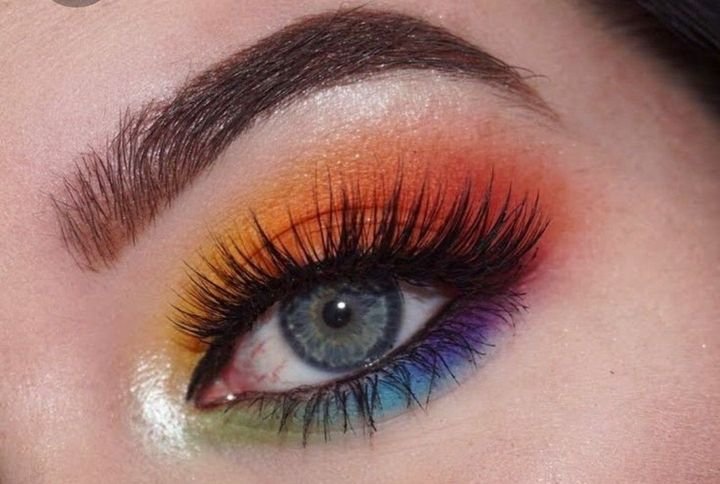
Best Options for Acne Scars and Pigmentation: Chemical Peel vs Laser Treatment

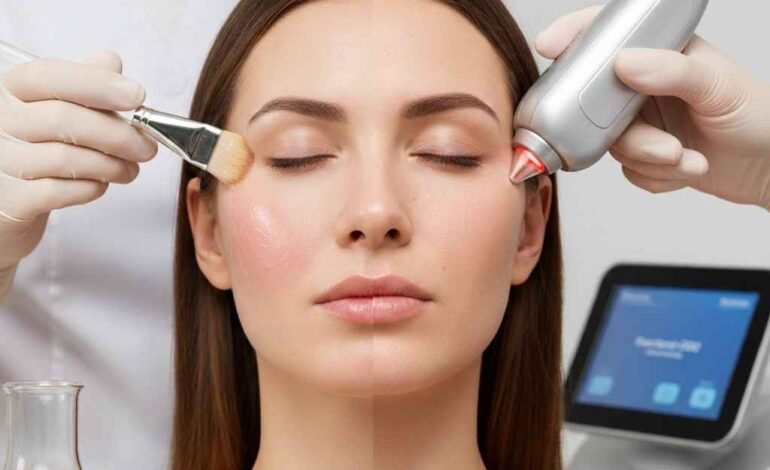
Chemical peel vs Laser treatment
Choosing the ideal skin resurfacing method is a common concern because every person wants clear, bright, and healthy skin. Many people compare chemical peel vs laser treatment to understand which one gives better results. The goal is simple. They want smooth skin, fewer marks, and a glowing appearance. At beautyhealthyideas, we guide users with clear and helpful information so they can make confident choices. This informational guide explains how both treatments work, which skin concerns they target, what to expect during the procedure, and how to choose the right option.
Understanding chemical peel vs laser treatment
Both options improve texture and tone. However, they work through different methods. A chemical peel uses a blend of acids to exfoliate the skin surface. A laser device uses light energy to resurface deeper layers. A peel suits mild to moderate concerns, while a laser suits moderate to severe concerns. Both can refresh the skin, reduce marks, and support healthy renewal.
How chemical peels work
A peel uses exfoliating acids. Each acid offers different strength and results. Light peels use AHA and BHA blends such as glycolic acid, lactic acid, and salicylic acid. Medium peels use ingredients like TCA. Deep peels use higher TCA strengths combined with supportive ingredients. Light peels remove the outer layer. Medium peels reach the middle layers. Deep peels target strong signs of aging. Many people choose peels for dull tone, fine lines, and mild pigmentation.
How laser treatments work
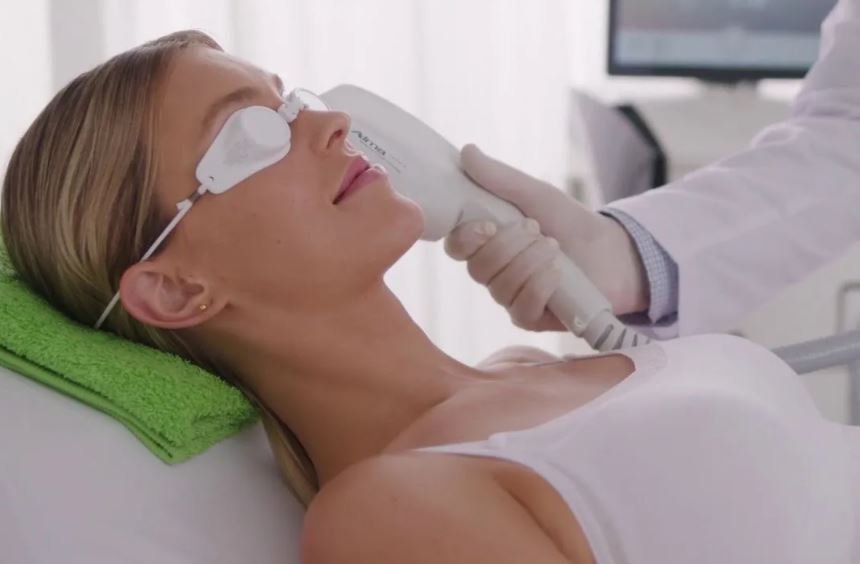
A laser sends controlled light into the skin to remove damaged layers and support collagen growth. There are two main types. Ablative lasers remove the top layers. Non-ablative lasers heat deeper layers without removing surface skin. Popular categories include CO2, fractional, erbium, Q switched, and Nd:YAG types. Each option targets specific conditions. A laser treatment works well for textured scars, deeper lines, and stubborn spots.
Core comparison topics in chemical peel vs laser treatment
Which option gives better results
A peel gives quick freshness on the surface. A laser reaches deeper layers. People with mild issues prefer peels. People with deeper marks prefer lasers. The best option depends on concern, skin type, and expectations.
Safety comparison for different skin types
Sensitive skin responds well to light peels because they have gentle acids. Oily or acne prone skin responds to salicylic acid peels and non ablative lasers. Darker skin tones need careful treatment plans. Safe options include AHA peels, low strength TCA, and specific Nd:YAG lasers because they lower the chance of darkening.
Downtime and recovery
A light peel has short downtime. A medium peel needs a few days. Deep peels take more time. A non ablative laser also has short recovery. Ablative lasers need longer recovery. People choose based on how much rest their schedule allows.
Pros and cons
Peels offer lower cost, gentle renewal, and fast sessions. Lasers bring strong correction, long lasting results, and deep resurfacing. Peels suit regular maintenance. Lasers suit advanced correction.
Cost comparison
A light peel costs less. A medium or deep peel costs more. Laser sessions cost more because they use advanced equipment and reach deeper layers. Total cost depends on number of sessions. Some people need multiple peels while others need one or two laser sessions.
Skin concerns addressed with chemical peel vs laser treatment
Acne scars
A peel helps mild scars. A fractional laser helps deeper scars. People with uneven texture get strong improvement through laser resurfacing.
Pigmentation and dark spots
A light peel improves mild spots. A medium peel reaches deeper pigment. A Q switched or Nd:YAG laser clears stubborn marks. People with melasma respond well to gentle peels and low energy lasers.
Wrinkles and aging signs
Fine lines respond well to glycolic acid and TCA peels. Deeper lines improve more with ablative or fractional lasers because they increase collagen.
Large pores and rough texture
Peels smooth the surface. Lasers tighten pores and give long lasting improvement.
Treatment experience and expectations
What to expect during a chemical peel
The skin is cleaned first. The peel solution stays for a few minutes. Light tingling is normal. After neutralization, the skin looks fresh but may peel slightly for some days. People must avoid sun exposure and use hydrating care.
What to expect during a laser session
A cooling gel or numbing cream may be applied. The device moves across the skin in pulses. Warmth is common. The skin may look pink afterward. Healing depends on the laser type. Hydration and sun protection support recovery.
How long results last
A light peel gives results for weeks. A medium or deep peel gives results for months. A laser gives long lasting results. People maintain results with sunscreen and gentle care.
Risks and complications
Both treatments need trained professionals. Over exfoliation or wrong laser settings may cause redness or darkening. People with active skin conditions should wait before treatment.
Ingredients used in chemical peels
AHA group
Glycolic acid brightens and smooths. Lactic acid suits sensitive skin because it hydrates while exfoliating.
BHA group
Salicylic acid clears pores, reduces oil, and smooths acne prone skin.
TCA group
TCA improves scars, lines, and deep spots.
Deep peel blends
High strength formulations correct strong signs of aging.
How to use these treatments safely
People should start with consultation. A light peel suits beginners. A patch test helps. Hydration, sunscreen, and mild cleansers support healing. For lasers, follow preparation steps, avoid sun, avoid harsh products, and use calming care after treatment.
Benefits of each treatment
A peel brightens the skin, improves tone, and clears mild marks. A laser improves deep issues, smooths scars, and builds collagen. Both increase confidence and support healthy skin.
Closing Remarks
Understanding chemical peel vs laser treatment helps people choose wisely. Each treatment offers unique benefits. A peel suits surface issues and gentle renewal. A laser suits deeper concerns and advanced correction. The best way to decide is to match your skin type, skin goals, and comfort level. With the right approach, anyone can enjoy clear and healthy skin with support from beautyhealthyideas.
FAQs
Which option suits beginners
A light peel suits beginners because it is gentle and easy to maintain.
Can darker skin use these treatments
Yes, with careful selection. AHA peels and certain Nd:YAG lasers suit darker skin.
How many sessions are needed
Light peels need multiple sessions. Medium peels, deep peels, and lasers need fewer sessions.
Can these treatments remove deep scars
A fractional laser works better for deep scars because it reaches lower layers.
Is sun exposure safe after treatment
No. The skin stays sensitive. Sunscreen and shade are important.
Dive Deeper…