Common Causes of Sunken Eyes and Under Eye Hollows

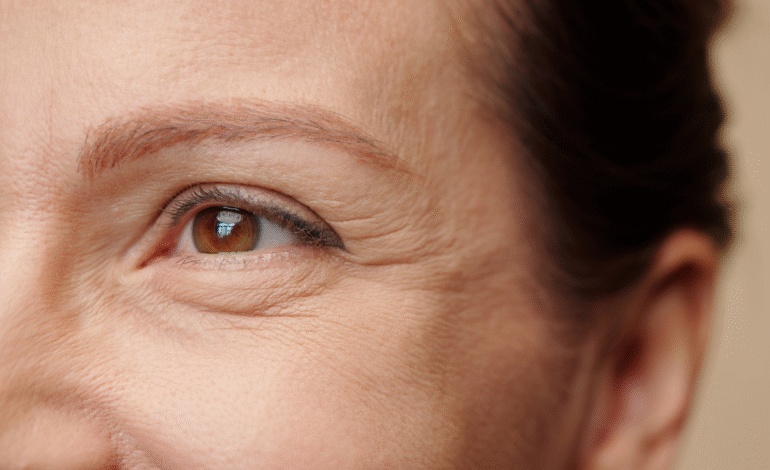
Sunken eyes and under eye hollows are common concerns that affect both men and women across various age groups. They can make the face appear older, tired, and less vibrant. Understanding the underlying causes is crucial for addressing the issue effectively and selecting the right treatment or preventive measures. In this article, we explore the most common reasons behind eye hollows and sunken eyes.
1. Aging and Natural Fat Loss
One of the primary reasons for eye hollows is the natural aging process. As we age, the body’s collagen and elastin production decreases, leading to a loss of skin elasticity. Fat pads around the eyes, which provide volume and a youthful contour, begin to shrink and shift downward. This reduction in underlying support causes the eyes to appear sunken, creating hollows beneath them. Aging also leads to thinning of the skin around the eyes, making the hollows more visible.
2. Genetics
Genetics play a significant role in the formation of eye hollows. Some individuals naturally have deeper eye sockets or thinner skin under the eyes, which can make hollows more prominent from an early age. Family history can influence the shape of the orbital bones and the distribution of fat in the under-eye area. Even with proper skincare and lifestyle habits, genetic predisposition can make some people more prone to developing sunken eyes.
3. Dehydration
Chronic dehydration affects the skin’s appearance and volume. The delicate skin under the eyes is particularly vulnerable to moisture loss. When the body lacks sufficient water, the skin loses plumpness and elasticity, accentuating eye hollows. Dehydration can also make blood vessels more visible, causing the under-eye area to look darker and more pronounced.
4. Lack of Sleep
Sleep deprivation is a well-known contributor to sunken eyes. Insufficient rest can lead to fluid imbalance, causing puffiness in some areas and hollows in others. Over time, inadequate sleep prevents the skin from repairing itself overnight, resulting in loss of volume and elasticity under the eyes. Chronic fatigue also increases the visibility of dark circles, further enhancing the hollowed appearance.
5. Nutritional Deficiencies
A diet lacking essential vitamins and minerals can significantly impact the under-eye area. Deficiencies in vitamin C, vitamin K, iron, and protein may cause the skin to weaken, lose collagen, and appear sunken. Iron deficiency, in particular, can reduce oxygen delivery to the skin, leading to paleness and more prominent under eye hollows. Maintaining a nutrient-rich diet is critical to prevent and minimize these effects.
6. Rapid Weight Loss
Sudden or extreme weight loss can make under eye hollows more visible. Fat loss occurs not only in larger body areas but also in the face. The under-eye region loses volume, and the skin may not shrink back immediately, creating a hollowed look. Even those who maintain a healthy weight can notice pronounced hollows after rapid dieting or illness.
7. Sun Exposure and UV Damage
Prolonged sun exposure damages collagen and elastin fibers in the skin. The delicate under-eye area is particularly sensitive to UV rays, leading to premature aging, thinning of the skin, and volume loss. Over time, repeated sun damage can make hollows more pronounced and accelerate the aging process. Wearing sunscreen and protective eyewear is essential to minimize this effect.
8. Smoking and Alcohol Consumption
Smoking and excessive alcohol intake negatively affect skin health. Smoking reduces blood flow and breaks down collagen, leading to premature sagging and hollowing under the eyes. Alcohol dehydrates the body and diminishes nutrient absorption, making the skin appear dull and sunken. Avoiding these habits can help maintain healthier under-eye skin and prevent hollows from becoming more pronounced.
9. Allergies and Chronic Sinus Issues
Allergies and sinus problems can contribute to eye hollows. Chronic nasal congestion and inflammation cause blood vessels to dilate and fluid to accumulate, creating puffiness in some areas and hollows in others. Rubbing itchy eyes due to allergies can also damage the delicate under-eye skin, leading to increased visibility of hollows over time.
10. Medical Conditions
Certain medical conditions can cause or exacerbate eye hollows. These include thyroid disorders, kidney issues, and other systemic illnesses that affect fluid balance and fat distribution. Consulting a healthcare professional is recommended if hollows appear suddenly or are accompanied by other concerning symptoms, as they may indicate an underlying health problem.
11. Lifestyle and Environmental Factors
Daily habits such as prolonged screen time, poor posture, and chronic stress can indirectly contribute to eye hollows. Lack of regular physical activity reduces circulation, while stress increases cortisol levels, which can accelerate collagen breakdown. Environmental pollution and exposure to toxins also weaken skin health, making hollows more prominent.
Wrap up
Under eye hollows arise from a combination of factors, including natural aging, genetics, dehydration, lack of sleep, nutritional deficiencies, rapid weight loss, sun exposure, smoking, allergies, and certain medical conditions. Understanding the under eye hollows causes is the first step toward addressing the issue effectively. With proper care, lifestyle adjustments, and targeted treatments, it is possible to minimize the appearance of hollows and restore a healthier, more youthful under-eye area.
For more details also read this:https://www.daylifehealth.com/expert-tips-for-youthful-and-smooth-under-eyes-hollows
Frequently Asked Questions (FAQs)
- What causes eye hollows to develop?
eye hollows can result from aging, genetics, dehydration, lack of sleep, nutritional deficiencies, rapid weight loss, sun damage, and certain medical conditions. - Can it be prevented?
Maintaining good hydration, proper sleep, a nutrient-rich diet, sun protection, and avoiding smoking can help reduce the risk of developing hollows. - Do allergies affect it?
Yes. chronic allergies and sinus issues can contribute to sunken eyes due to inflammation, fluid imbalance, and rubbing of delicate skin. - Is rapid weight loss a factor in it?
Absolutely. Losing weight too quickly can reduce facial fat, including under the eyes, making hollows more visible. - When should I see a doctor for it?
If hollows appear suddenly, are asymmetric, or come with other health symptoms, consult a healthcare professional to rule out underlying medical conditions.