Mini Kiwi A Complete Guide to This Tiny Superfruit

1:What is Mini Kiwi?
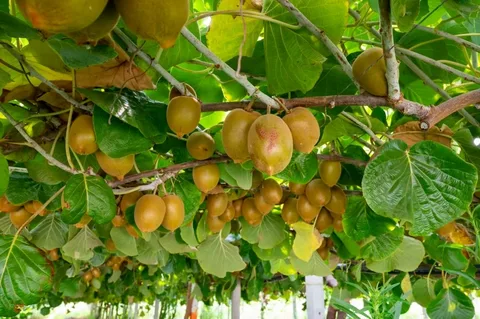
Mini Kiwi is a small, smooth skinned fruit that looks like a tiny version of regular kiwi but does not have fuzzy skin. You can eat it whole without peeling, which makes it convenient and easy to enjoy. It belongs to the Actinidia family and grows on climbing vines in temperate regions. Kiwi has a sweet and slightly tangy flavor with soft green flesh and small edible seeds. This fruit is rich in vitamin C, fiber, and antioxidants, making it a nutritious addition to a healthy diet. Its small size, refreshing taste, and high nutritional value make it increasingly popular worldwide.
2:Purpose of Mini Kiwi?
The main purpose of this mini kiwi is to provide a nutritious, convenient, and flavorful option for daily consumption. It offers high levels of vitamin C, fiber, and antioxidants that support immunity, digestion, and overall health. Because of its smooth, edible skin, people can enjoy it without peeling, making it ideal for quick snacks and lunchboxes. Farmers also grow this fruit for commercial purposes due to its rising market demand and export value. In addition, it enhances desserts, salads, and smoothies with its sweet and tangy taste. Its versatility makes it valuable for both personal nutrition and agricultural production.
3:Essential Care Tips for New Growers
Caring for it is simple and rewarding, even for beginners. This fruit grows on climbing vines, so providing a sturdy trellis, fence, or pergola is essential for support. Plant it in a sunny location with well-drained, fertile soil to ensure healthy growth and fruit production. Watering should be consistent, especially during dry spells, but avoid overwatering as soggy soil can harm the roots. Fertilize seasonally with a balanced fertilizer to supply essential nutrients like potassium, nitrogen, and magnesium.
4:Annual Vine Maintenance Tips for Healthy Growth
Prune the vines annually to control growth, improve airflow, and encourage better fruiting.For fruit production, most varieties need both male and female plants, though self fertile types like Issai can produce fruit without a male plant. With proper care, this thrives and produces nutrient-rich, delicious fruit. Beginners can enjoy fresh Kiwi fruit and even explore growing Mini Kiwi for sale commercially.
5:Health Benefits and Uses
This fruit offers impressive health benefits despite its small size. It contains high levels of vitamin C, which strengthens the immune system and helps the body fight infections. This fruit also provides dietary fiber that supports healthy digestion and prevents constipation. The antioxidants present in it protect cells from damage caused by free radicals, reducing the risk of chronic diseases. In addition, it supplies essential nutrients such as vitamin E, potassium, and folate, which contribute to heart health and overall wellness.
6:Topping and Presentation Tips For Fruit Based Desserts
People enjoy it in many ways because of its sweet and slightly tangy flavor. You can eat it fresh as a quick snack without peeling the skin. Many individuals add it to fruit salads, smoothies, yogurt bowls, and desserts for extra nutrition and color. Some use it as a topping for cakes and pastries to enhance presentation. Its small size and convenience make it perfect for lunchboxes and on-the-go eating. Overall, it combines taste, nutrition, and versatility in one compact fruit.
7:Mini Kiwi vs Regular Kiwi: What’s the Difference?
This fruit and regular kiwi may look similar on the inside, but they differ in several important ways. The most noticeable difference is the skin. One variety has smooth, thin skin that can be eaten without peeling, while regular kiwi has brown, fuzzy skin that most people remove before eating. This makes the smooth-skinned fruit more convenient and easier to consume as a quick snack. Size is another key difference. The smaller variety is usually the size of a grape or large berry, whereas regular kiwi is larger and oval-shaped.
8:Smooth Skinned Fruits with Concentrated Natural Sweetness
In terms of taste, this fruit tends to be slightly sweeter and less acidic. Both fruits offer similar nutritional benefits, including high levels of vitamin C, fiber, and antioxidants. However, the smaller variety often has a more intense flavor due to its size and concentrated sweetness. While both fruits grow on vines and belong to the same plant family, the smaller fruit is generally more cold-hardy and can grow in cooler climates. Each fruit provides excellent health benefits, but this variety stands out for its convenience, smooth skin, and naturally sweet taste.
9:How to Grow it at Home
Growing a Kiwi at home is simple if you provide the right conditions. This fruit grows on climbing vines, so you need a support system such as a trellis, fence, or pergola. Choose a sunny location because the plant requires at least 6–8 hours of direct sunlight daily. Well-drained, fertile soil with good organic matter helps the vine grow strong and healthy.Plant Kiwi in early spring and water it regularly, especially during dry periods.
10:Fertilization and Seasonal Care for Thriving Plants
Avoid overwatering, as soggy soil can damage the roots. Since most varieties need both male and female plants for fruit production, make sure you plant at least one male vine for pollination. Prune the vines annually to control growth and encourage better fruiting.With proper care, the plant starts producing fruit within 3 to 4 years. Regular fertilization and seasonal pruning will ensure healthy growth and a successful harvest.
11:Nutrition Facts and Surprising Benefits
Kiwi is a small fruit packed with essential nutrients and health benefits. A single serving provides high amounts of vitamin C, which boosts immunity, promotes collagen production, and supports skin health. It also contains dietary fiber that aids digestion, prevents constipation, and helps maintain a healthy gut. Antioxidants in Kiwi, including vitamin E and polyphenols, protect cells from free radical damage and reduce inflammation.
12:Low Calorie Superfruits Ideal for Weight Management
In addition to these, this supplies potassium, which supports heart health and regulates blood pressure, and folate, which is important for cell growth and overall wellness. Despite its small size, it contains fewer calories, making it ideal for weight-conscious individuals.Surprisingly, the edible skin adds even more fiber and antioxidants, making Kiwi more nutritious than regular peeled kiwi. Its natural sweetness, combined with these health benefits, makes it perfect for snacks, smoothies, and desserts.
13:Best Ways to Eat and Enjoy This Fruit
This fruit offers a delicious and convenient way to add more nutrients to your daily diet. Because it has smooth, edible skin, you can simply rinse it and eat it whole as a quick, healthy snack. Its naturally sweet and slightly tangy flavor makes it enjoyable without any preparation. You can also slice it and mix into fruit salads for extra color and freshness. It blends perfectly into smoothies, adding vitamin C and natural sweetness without extra sugar. Many people add it to yogurt, oatmeal, or cereal for a nutritious breakfast boost.
For desserts, this fruit works beautifully as a topping for cakes, pastries, and ice cream. You can even pair it with cheese platters for a sweet contrast. Its small size makes it ideal for lunchboxes, picnics, and on-the-go eating.
14:Farming and Commercial Potential
Kiwi farming is gaining popularity due to its high market demand and strong commercial value. This fruit grows on hardy vines that can tolerate colder climates compared to traditional kiwi varieties. Farmers prefer it because it requires moderate maintenance and produces high yields once mature. With proper care, vines begin fruiting within three to four years, offering long-term productivity.The increasing demand for healthy and exotic fruits has boosted its profitability in local and international markets.
15:From Fresh Produce to Processed Products: Market Tips
Consumers appreciate its sweet taste, smooth edible skin, and high nutritional value, which makes it attractive for supermarkets and export businesses.Kiwi also has good storage potential when handled properly, increasing its commercial appeal.In addition, farmers can sell fresh fruit, processed products like juices and jams, or even Kiwi plants. Its expanding popularity in health-conscious markets makes it a promising crop for agricultural investment and commercial growth.
16:Why it Is the Next Trending Superfruit
This fruit is rapidly becoming one of the most talked-about superfruits, and its rise is not surprising. Unlike many fruits that require peeling, it has smooth, edible skin, making it incredibly convenient to eat. Its small size and sweet, tangy flavor appeal to people of all ages, from children to adults seeking healthy snack options.What truly sets this fruit apart is its impressive nutritional profile. It delivers a high dose of vitamin C, fiber, and antioxidants in every bite, supporting immune function, digestion, and overall wellness.
17:Fruits Poised to Become Global Market Staples
These benefits make it especially attractive to health-conscious consumers who are increasingly choosing foods that offer both taste and nutrition. Its versatility is another key factor; Kiwi blends seamlessly into smoothies, salads, desserts, and breakfast bowls, adding flavor and nutrients without extra sugar.Growing interest from farmers and food producers has also boosted its visibility, with more farms offering it and more products featuring it as a key ingredient. With its combination of convenience, health benefits, and culinary flexibility, Kiwi is poised to become a staple in global markets and a true superfruit of the future.
18:Mini Kiwi Varieties Around the World
Kiwi is a versatile fruit grown in many regions, with several popular varieties catering to different climates and tastes. One widely cultivated type is Issai, known for its sweet flavor and self-fertile vines, making it ideal for small gardens and home orchards. Another favorite is Ananasnaya (Anna), valued for its slightly tangy taste and resilience in colder climates, allowing cultivation in temperate regions.
19:How Diverse Varieties Boost Farming Success
Other notable varieties include Ken’s Red, which has reddish flesh and a unique flavor profile, and Weiki, appreciated for its smooth skin, sweetness, and high yield. These diverse varieties allow farmers and gardeners to choose plants based on taste preferences, climate suitability, and commercial potential. With global demand increasing, this fruit continues to gain popularity, offering both fresh fruit for consumption and plants for sale to growers and enthusiasts worldwide.
20:Taste or Texture and Health Value
Kiwi is a small, flavorful fruit that delights the taste buds with its natural sweetness and slight tang. Unlike regular kiwi, its smooth, edible skin makes it easy to eat whole, offering convenience along with taste. The flesh is soft, juicy, and dotted with tiny, edible seeds that add a subtle crunch, enhancing the overall texture.Beyond flavor and texture, Kiwi is a nutritional powerhouse. It is rich in vitamin C, antioxidants, and dietary fiber, supporting immune function, healthy digestion, and overall wellness.
21:Fruits Gaining Popularity in Global Markets
Potassium and folate in the fruit contribute to heart health and cell growth. Its low-calorie content makes it an ideal snack for weight-conscious individuals. Whether eaten fresh, added to salads, or blended into smoothies, this fruit combines taste, texture, and health benefits in a compact form. With growing popularity, both fresh fruit and plants for sale are becoming widely sought after globally.
22:Growing Kiwi in Small Gardens
Kiwi is an ideal fruit for small gardens because of its compact growth and climbing vine nature. With proper support, such as a trellis, fence, or pergola, even limited spaces can accommodate thriving plants. Choosing a sunny spot with well-drained, fertile soil ensures strong growth and healthy fruit production.Planting both male and female vines is essential for fruiting unless you select self-fertile varieties like Issai.
23:Combining Proper Care with High Quality Fruit Production
Regular watering, especially during dry periods, helps establish the roots, while careful pruning encourages better fruit yield and manageable growth. Adding organic compost and seasonal fertilization supports nutrient-rich development. Thanks to its smooth, edible skin and sweet flavor, this fruit is perfect for home gardeners who want fresh produce in small spaces. Small garden cultivation not only provides delicious fruit for personal use but also opens opportunities for plants and produce for sale in local markets.
24:Nutritional and Economic Importance
This nutrient-rich fruit offers both health benefits and commercial potential. Packed with vitamin C, fiber, antioxidants, potassium, and folate, it supports immunity, digestion, heart health, and overall wellness. Its smooth, edible skin makes it easy to eat, increasing its appeal as a convenient and healthy snack. Economically, this fruit is gaining popularity in local and international markets due to its unique flavor, high nutritional value, and small, attractive size.
25:How Market Demand Drives Fruit Production Worldwide
Farmers grow it for fresh fruit sales, as well as for processed products like juices, jams, and smoothies. Self-fertile and hardy varieties, such as Issai, make cultivation easier and more profitable.With the increasing demand for superfruits this offers a combination of nutritional benefits and market opportunities. Whether consumed for health or cultivated for profit, Kiwi fruit and Kiwi for sale continue to attract attention worldwide.
26:Mini Kiwi For Sale: What Buyers Should Know
It has become increasingly popular among home gardeners and commercial growers due to its small size, sweet taste, and high nutritional value. When looking for Kiwi for sale, buyers should consider several key factors to ensure healthy plants and successful fruit production.First, check the variety. Self-fertile types like Issai are ideal for beginners because they do not require a male plant for pollination, while other varieties may need both male and female plants.
27:Healthy Leaves and Roots: Key Indicators of Plant Quality
Healthy roots, vibrant green leaves, and disease-free vines are essential when selecting plants.Next, consider the climate and space available.Kiwi thrives in temperate regions with sunny locations and well drained soil. Proper support structures, like trellises or pergolas, are necessary for vine growth.Purchasing from reputable nurseries guarantees quality and increases the chances of fruitful harvests. Fresh Kiwi fruit and well maintained plants make this investment rewarding for both personal use and commercial purposes.
28:Plant Maintenance and Harvesting Tips
Proper maintenance is essential for healthy Kiwi plants and abundant fruit production. These climbing vines need a sturdy support system such as a trellis, fence, or pergola to grow efficiently. Regular watering is important, especially during dry periods, but avoid waterlogging as it can damage the roots.Fertilize seasonally with a balanced fertilizer to provide essential nutrients like potassium, nitrogen, and magnesium. Pruning is crucial to remove dead or overcrowded branches to improve airflow, control growth, and encourage higher fruit yields.
29:Tips for Healthy Fruit Vines and Better Harvests
Pest and disease monitoring should be done regularly to prevent common issues like fungal infections or scale insects.These plants usually start producing fruit within 3–4 years. Harvest the fruit when it becomes soft and sweet, usually in late autumn. Well-maintained plants yield nutrient-rich Kiwi fruit, which can be enjoyed fresh or sold commercially. Buying quality Mini Kiwi for sale ensures easier maintenance and better harvests.
30:Health Benefits of Adding it to Your Diet
Kiwi is a small but nutrient packed fruit that provides numerous health benefits. Rich in vitamin C, it boosts the immune system, helps fight infections, and promotes healthy skin by supporting collagen production. Its dietary fiber aids digestion, prevents constipation, and contributes to a healthy gut.The fruit is also high in antioxidants, such as vitamin E and polyphenols, which protect cells from oxidative stress and reduce inflammation.
31:Boost Energy and Wellness with Nutrient Dense Fruits
Potassium in it supports heart health and helps regulate blood pressure, while folate promotes cell growth and overall wellness.Due to its smooth, edible skin, it is convenient to eat and makes a perfect snack or addition to salads, smoothies, and desserts. Including this fruit in your daily diet can improve energy levels, support weight management, and enhance overall health. With increasing popularity, both fresh Mini Kiwi fruit and Mini Kiwi for sale are easily accessible worldwide.
32:Cultivation Guide for Farmers
This is an increasingly popular crop among farmers due to its high nutritional value and growing market demand. Successful cultivation begins with selecting the right variety. Self-fertile types like Issai are ideal for small farms, while other varieties require both male and female plants for pollination.Choose a sunny location with well-drained, fertile soil to ensure strong vine growth. Installing a sturdy trellis, pergola, or fence is essential for supporting climbing vines. Regular watering is important, especially during dry periods, but avoid overwatering to prevent root damage.
33:How Pruning Improves Airflow and Encourages Fruiting
Fertilize seasonally with nutrients such as nitrogen, potassium, and magnesium for optimal growth.Pruning dead or overcrowded branches improves airflow, encourages fruiting, and helps maintain vine health. Harvest the fruit when it becomes soft and sweet, usually after 3–4 years. Growing high-quality plants, whether for fresh Kiwi fruit or commercial sales, maximizes profit potential and farm sustainability.
34:A Small Fruit with Big Benefits
Kiwi may be small in size, but it offers impressive health and culinary benefits. Its smooth, edible skin makes it easy to eat whole, saving time and increasing convenience. The fruit is naturally sweet with a slight tang, making it a delicious snack for all ages.Nutritionally, it is packed with vitamin C, antioxidants, fiber, potassium, and folate. Vitamin C strengthens the immune system, while fiber supports digestion and gut health.
35:Using Small Fruits as Colorful Garnishes in Recipes
Antioxidants help combat free radicals, reducing inflammation and promoting overall wellness. Potassium and folate contribute to heart health and cell growth, making this tiny fruit surprisingly powerful for maintaining health Kiwi is versatile in the kitchen; it can be eaten fresh, added to smoothies, fruit salads, desserts, or even used as a colorful garnish. Its convenience, taste, and nutrition make it increasingly popular, and both Mini Kiwi fruit and Mini Kiwi for sale are now widely available worldwide.
Wrap up
Kiwi is a small but nutrient-packed fruit that combines convenience, taste, and health benefits. Its smooth, edible skin makes it easy to eat fresh, while its natural sweetness enhances salads, smoothies, desserts, and snacks. Rich in vitamin C, antioxidants, potassium, folate, and fiber, it supports immunity, heart health, digestion, and overall wellness.Kiwi grows on hardy vines, suitable for home gardens or commercial cultivation. With proper care—including pruning, fertilization, and pest management—plants can start producing fruit in 3–4 years. Its growing popularity in health-conscious markets makes it a valuable choice for personal consumption and commercial sales.
Helpful Insights for Growers and Consumers
- How do I eat this?
You can eat it fresh with its skin, add it to smoothies, fruit salads, desserts, or use it as a garnish. - When does this fruit start producing?
Most plants start yielding fruit within 3–4 years with proper care. - What nutrients does it provide?
It is rich in vitamin C, antioxidants, fiber, potassium, and folate. - Can it grow in small gardens?
Yes, with a trellis or support structure, it thrives even in limited spaces. - Is this available for commercial sale?
Yes. Both fresh fruit and plants for sale are widely available globally.