The Growing Importance of the Amla Tree in Natural Health

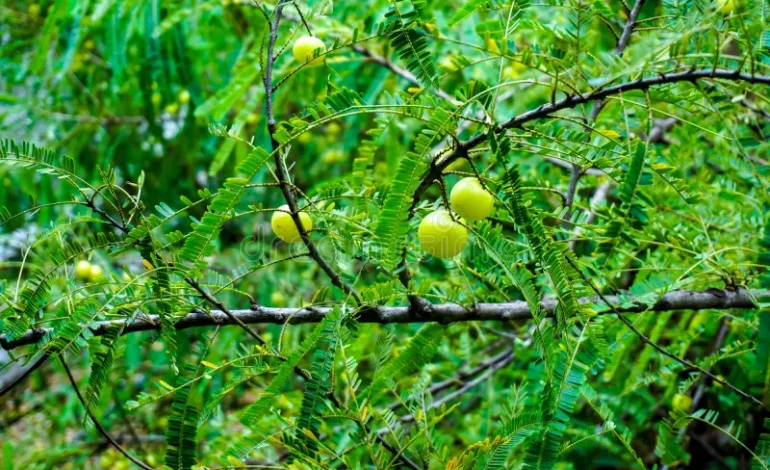
Natural health practices are gaining renewed attention across the world as people look for sustainable and plant-based ways to support wellness. Among many traditional plants, the amla tree holds a unique position due to its long history of use and wide range of benefits. Known for its resilience and nutritional richness, this tree has remained a valuable part of herbal traditions while also gaining recognition in modern health research. Its relevance continues to grow as natural remedies become more integrated into daily lifestyles.
1:Plant Structure and Natural Growth Characteristics
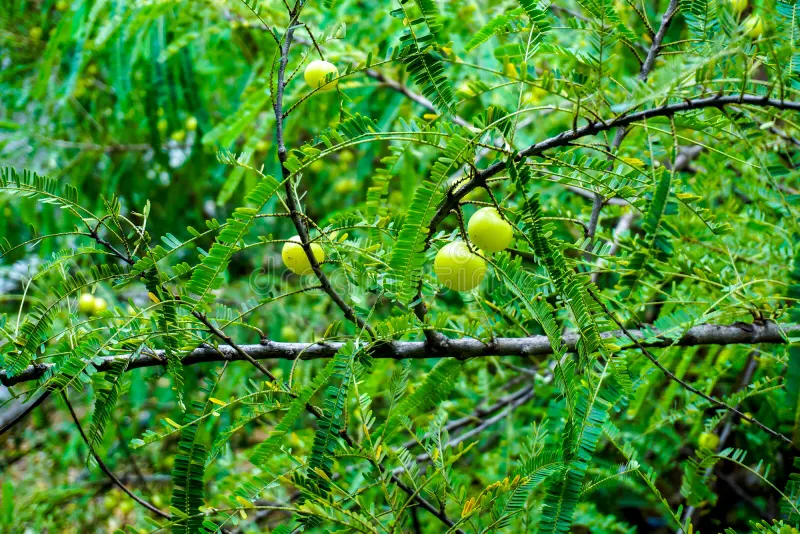
This tree thrives in tropical and subtropical regions, adapting well to different soil conditions and climates. It is medium-sized, deciduous, and known for its small green fruits with a distinctive sour taste. These fruits mature during specific seasons and are harvested carefully to preserve their natural potency.The amla tree is valued not only for its fruit but also for its bark, leaves, and roots, which have been traditionally used in various wellness applications. Its ability to survive in dry conditions makes it an environmentally sustainable option for cultivation, especially in regions facing climate challenges.
2:Historical Importance in Natural Healing Methods
For centuries, traditional health systems relied heavily on plant-based solutions. Ancient practices emphasized balance, prevention, and long-term vitality rather than quick fixes. In these systems, this tree was often considered a symbol of longevity and nourishment.Healers and herbal practitioners used different parts of the plant to prepare tonics, powders, and extracts. These preparations were believed to support digestion, immunity, and overall vitality. The continued use of such remedies across generations highlights the deep-rooted trust placed in this natural resource.
3:Health Promoting Components in the Plant
The fruit produced by this tree is widely recognized for its dense nutritional profile. It naturally contains antioxidants, plant-based compounds, and essential nutrients that support the body at a cellular level. These components help protect against oxidative stress, which plays a role in aging and chronic health concerns.Regular inclusion of amla-based preparations in traditional diets was associated with improved energy levels and internal balance. Modern analysis supports these observations by identifying compounds that contribute to cellular protection and metabolic support.
4:Role in Immune and Digestive Support
A strong immune system depends on consistent nourishment and antioxidant intake. Traditional use of this plant focused heavily on maintaining immune resilience, especially during seasonal changes. Its natural compounds help the body respond better to external stressors.Digestive wellness is another area where the amla tree has played an important role. Traditional formulations often included it to support gut balance, improve nutrient absorption, and promote regular digestion. A healthy digestive system is considered the foundation of overall well-being in many holistic health approaches.
5:Natural Ways to Improve Skin and Hair
Beyond internal health, this tree has also been valued for external care. Natural skincare practices frequently incorporated fruit-based extracts to support clear, balanced skin. Its antioxidant nature helps protect the skin from environmental stress and premature aging.Hair care traditions also recognize its benefits. Regular use in oils and masks was believed to strengthen hair, improve scalp health, and support natural shine. These practices remain popular today, especially in regions where herbal beauty routines are still widely followed.
6:Current Research and Scientific Insights
With growing interest in natural health solutions, researchers have begun studying the properties of this plant more closely. Scientific studies now explore its antioxidant activity, potential immune support, and role in metabolic health. These findings align closely with traditional knowledge passed down through generations.The amla tree is increasingly featured in nutraceuticals, dietary supplements, and functional foods. This scientific validation has helped bridge the gap between traditional wisdom and modern wellness practices.
7:Sustainable Growth Practices and Natural Impact
Sustainability plays a major role in the renewed importance of this tree. It requires minimal water compared to many commercial crops and improves soil quality over time. Farmers appreciate its low maintenance and long lifespan, making it a reliable source of income.Environmentally conscious consumers are also drawn to products derived from plants that support eco friendly farming. Cultivation of this tree aligns well with sustainable agriculture goals, making it beneficial for both health and the environment.
8:Daily Use in Today’s Health and Beauty Routines
As people move toward preventive healthcare, plant-based solutions are becoming part of daily routines. Products derived from this tree are now available in various forms, including powders, capsules, juices, and topical formulations. This variety allows individuals to choose options that suit their lifestyle and preferences.The amla tree fits well into holistic wellness approaches that emphasize balance, nutrition, and long-term health rather than temporary solutions. Its adaptability makes it suitable for both traditional and modern applications.
9:Cultural Legacy and Commercial Importance
In many regions, this tree holds cultural significance and is associated with health, prosperity, and longevity. Festivals, rituals, and traditional practices often highlight its importance. Economically, it supports small farmers, herbal industries, and local markets.The global demand for natural products has further increased its commercial value. Responsible sourcing and ethical trade practices help ensure that its benefits reach consumers while supporting farming communities.
10:The Growing Role in Future Health Trends
Looking ahead, the relevance of the amla tree is expected to grow even further. As research continues and awareness increases, more applications are likely to emerge in wellness, nutrition, and personal care. Its versatility and natural potency make it a strong candidate for future health innovations.
The shift toward clean-label products and plant-based formulations supports its continued use. With proper cultivation and responsible use, this tree will remain a cornerstone of natural health for generations to come.
Wrap up
The growing importance of the amla tree in natural health is rooted in its rich history, nutritional value, and sustainable nature. From traditional wellness systems to modern scientific research, its benefits span immune support, digestion, skin care, and environmental sustainability. As natural health practices continue to gain momentum, this tree stands out as a timeless and reliable resource that bridges ancient wisdom with modern wellness needs.
Your Questions About the Amla Tree Answered
1. Why is the amla tree important in natural health?
It offers antioxidant-rich compounds that support immunity, digestion, and overall wellness.
2. Is it suitable for modern lifestyles?
Yes, it is available in multiple convenient forms that fit easily into daily routines.
3. Does it support skin and hair health?
Traditional and modern practices both recognize its benefits for skin balance and hair strength.
4. Is cultivation environmentally friendly?
Yes, it requires minimal resources and supports sustainable farming practices.
5. Will its importance continue to grow?
With rising interest in plant-based health solutions, its relevance is expected to increase further.